

On this page
- The short answer
- Coverage by type of plan
- Private insurance: what the law requires
- What “medically necessary” means
- Medicaid
- Free and low-cost options that don’t depend on insurance
- Why speech therapy claims get limited or denied
- Eight questions to ask your insurance company
- What it costs at Play Talk & Grow in Asheville
- Frequently asked questions
Speech therapy for children is covered by most health insurance when it is medically necessary, but “covered” means different things on different plans. Some pay from the first visit. Some apply a deductible, cap the number of visits, or require a doctor’s order. Medicaid covers it for children. And two public programs provide it at little or no cost regardless of insurance. This guide sorts out which rules apply to you.
Coverage by type of plan
| Coverage | Is pediatric speech therapy covered? | What to check |
|---|---|---|
| Marketplace (ACA) and small-employer plans | Yes. Habilitative services are an essential health benefit these plans must include. | Deductible, copay, yearly visit limit, prior authorization. |
| Large-employer and self-funded plans | Usually, but these plans are not held to the same benefit list. | Exclusions for “developmental” delays, visit limits, whether a diagnosis or physician order is required. |
| Medicaid, including NC Medicaid managed care plans | Yes, when medically necessary, for enrolled children under 21. | That the provider is enrolled with your specific plan; authorization. |
| Early intervention (under age 3) | Evaluation at no cost. Therapy on a sliding fee scale in North Carolina. | Eligibility after the evaluation; your family’s cost share. |
| Public school (age 3 to 21) | Free for children who qualify for special education services. | Eligibility is based on educational impact, not only a diagnosis. |
| HSA, FSA, or private pay | Not insurance, but pre-tax accounts can be used for therapy. | The clinic’s rates and whether they provide receipts for reimbursement. |
Private insurance: what the law requires
The Affordable Care Act lists ten categories of essential health benefits. One of them is rehabilitative and habilitative services and devices. HealthCare.gov defines habilitative services as care that helps a person keep, learn, or improve skills for daily living, and gives as its example “therapy for a child who isn’t walking or talking at the expected age.” Speech-language pathology is named among the services.
That distinction matters for kids. Rehabilitative therapy restores a skill someone lost, such as speech after a stroke. Habilitative therapy builds a skill that has not developed yet, which describes most pediatric speech therapy. Before the ACA, many plans covered only the first kind.
The requirement applies to individual plans, including those bought on the Marketplace, and to small-group employer plans. Large-employer plans and self-funded employer plans are not required to follow the essential health benefit list, though most cover some outpatient therapy. If your insurance comes through a large employer, the plan document is the authority.
What “medically necessary” means
Nearly every plan pays only for therapy it considers medically necessary. In practice that means:
- A licensed speech-language pathologist has evaluated your child.
- The evaluation documents a delay or disorder, usually with standardized test scores.
- There is a diagnosis, a treatment plan, and measurable goals.
- Progress is documented at intervals so the plan keeps authorizing visits.
Conditions an evaluation commonly documents include speech sound disorders that leave a child below the speech intelligibility norms by age, stuttering (see speech therapy for stuttering), and language disorders in children. If you are not sure which applies to your child, speech vs. language disorder explains the difference.
This is one reason the evaluation matters so much: it is both the clinical starting point and the paperwork insurance relies on. Our guide to a pediatric therapy evaluation explains what the report contains.
Medicaid
Medicaid’s benefit for children is called Early and Periodic Screening, Diagnostic, and Treatment, or EPSDT. It covers enrolled infants, children, and adolescents under 21. Under EPSDT, states must cover medically necessary services, including speech, language, and hearing services, even when the state does not cover the same service for adults. If your child has NC Medicaid, speech therapy that an evaluation shows is necessary is a covered benefit.
Free and low-cost options that don’t depend on insurance
Early intervention, birth to 3. Every state runs an early intervention program for infants and toddlers under the federal Individuals with Disabilities Education Act. In North Carolina it is the Infant-Toddler Program, run through local Children’s Developmental Services Agencies. According to NC DHHS, evaluation and service coordination cost families nothing, and other services, which include speech-language therapy, are billed on a sliding fee scale based on ability to pay. You can refer your own child. More in our guide to early intervention speech therapy.
Public schools, age 3 and up. Children 3 and older can be evaluated by the school system at no cost, even before they are enrolled, and receive speech-language services free if they qualify. School services address what affects a child’s education, so a child can have a real difficulty and still not qualify.
Many families use a public program and private therapy together.
Why speech therapy claims get limited or denied
- Visit limits. Many plans cover a set number of therapy visits per year, sometimes shared with occupational and physical therapy.
- Developmental exclusions. Some employer plans exclude therapy for delays that are not caused by illness or injury.
- No prior authorization or physician order. Some plans require one or both before the first session.
- Out-of-network provider. The plan may pay less or nothing.
- Deductible not met. The service is covered, but you pay until the deductible is reached.
- “Not medically necessary.” Often a documentation problem that an evaluation report and a letter from the SLP can answer.
A denial is not always final. Plans must tell you why a claim was denied and how to appeal, and you can ask the therapist for the evaluation report and progress notes to support it.
Eight questions to ask your insurance company
Call the member services number on your card and ask:
- Does my plan cover outpatient speech therapy (speech-language pathology) for my child?
- Is habilitative therapy covered, or only rehabilitative?
- Are there exclusions for developmental delay, or for specific diagnoses?
- How many visits are covered per year, and is the limit shared with OT and PT?
- Do I need a referral, a physician’s order, or prior authorization?
- What is my deductible, how much is met, and what is my copay or coinsurance per visit?
- Is this provider in network? If not, what are my out-of-network benefits?
- Is the evaluation covered the same way as therapy sessions?
Write down the date, the representative’s name, and a reference number for the call.
What it costs at Play Talk & Grow in Asheville
- Insurance we are in network with: BCBS, Aetna, Cigna, UnitedHealthcare, Healthy Blue, AmeriHealth, Vaya, and UHC Community Plan, plus NC Medicaid.
- Private pay: $215 for a speech and language evaluation and $90 per therapy session. HSA, FSA, and ESA+ accounts are accepted.
- Out of network: you pay after each visit and may be reimbursed by your plan.
- Before you commit: we check your benefits on the free first call and tell you what you would owe.
Not sure yet whether your child needs therapy at all? Start with how to know if your child needs speech therapy, or compare your child with the speech and language milestones chart and how many words should my toddler know.
Coverage rules change and every plan is different. This article is general information, not insurance or legal advice. Your plan documents and your insurer are the final word on your benefits.
Frequently asked questions
Is speech therapy covered by insurance?
For children, usually yes, when a speech-language pathologist documents that it is medically necessary. Marketplace and small-employer plans must cover habilitative services, which include speech therapy for a child not talking at the expected age. Medicaid covers it for enrolled children under 21. Deductibles, copays, visit limits, and authorization rules vary by plan.
Does Medicaid cover speech therapy for children?
Yes. Under Medicaid’s EPSDT benefit, states must cover medically necessary services for enrolled children under 21, and that includes speech, language, and hearing services.
Does insurance cover speech therapy for a speech delay or late talker?
Often, but this is where plans differ most. ACA marketplace and small-group plans cover habilitative therapy for developmental delays. Some large-employer plans exclude developmental delays that are not tied to illness or injury. Ask your insurer directly whether habilitative speech therapy is covered.
How many speech therapy sessions does insurance cover?
It depends on the plan. Many set a yearly visit limit, sometimes combined with occupational and physical therapy, and some require reauthorization after a number of visits. Medicaid coverage for children is based on medical necessity.
Do I need a referral for insurance to cover speech therapy?
Some plans require a referral, a physician’s order, or prior authorization before they pay, and some require none. You do not need a referral to schedule an evaluation at Play Talk & Grow; we check your plan’s requirements on the first call.
How much does speech therapy cost without insurance?
At Play Talk & Grow in Asheville, a speech and language evaluation is $215 and therapy sessions are $90 each when paid privately. HSA, FSA, and ESA+ accounts are accepted.
Can I use an HSA or FSA for speech therapy?
Yes. Play Talk & Grow accepts HSA and FSA payments for evaluations and therapy. Check with your account administrator about documentation.
Is speech therapy free through school or early intervention?
School-based speech-language services are free for children 3 and older who qualify. For children under 3, North Carolina’s Infant-Toddler Program provides the evaluation at no cost and bills other services on a sliding fee scale.
What can I do if insurance denies speech therapy?
Ask for the reason in writing, then request an appeal. Include the evaluation report, test scores, the treatment plan, and a letter of medical necessity from the speech-language pathologist. In the meantime, check whether your child qualifies for early intervention or school services.
What insurance does Play Talk & Grow accept?
Play Talk & Grow is in network with BCBS, Aetna, Cigna, UnitedHealthcare, Healthy Blue, AmeriHealth, Vaya, UHC Community Plan, and NC Medicaid. Call (828) 656-5188 to verify your specific plan.
Sources
Figures in this article come from the following official and peer-reviewed sources. Last reviewed .
- HealthCare.gov glossary, Habilitative/Habilitation Services
- Medicaid.gov, EPSDT: A Guide for States (coverage guide)
- ASHA, Early and Periodic Screening, Diagnostic, and Treatment (EPSDT)
- NC Department of Health and Human Services, Infant-Toddler Program: Frequently Asked Questions
- CDC, If You’re Concerned About Your Child’s Development
- National Institute on Deafness and Other Communication Disorders (NIDCD, NIH), Quick Statistics About Voice, Speech, Language
This article is general information, not a diagnosis. Only an evaluation by a licensed speech-language pathologist can tell you whether your child has a speech or language disorder.
Want to know what your plan covers?
Schedule a free 15-minute call. We’ll check your benefits, tell you what an evaluation and therapy would cost, and answer your questions before you commit to anything.
About the author
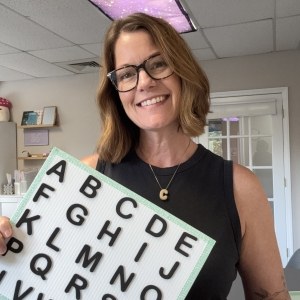
Chrissy Thompson, MA, CCC-SLP · Director of Play Talk & Grow
Chrissy holds a master's degree in Communication Disorders. Her career has focused on autistic people and children with severe motor speech disorders. She keeps her practice grounded in current research. Today she works mainly with autistic people who speak little or unreliably, using the Spelling to Communicate (S2C) method. S2C builds motor skills, regulation, and communication so people can share their real thoughts and ideas.
- Member, American Speech-Language-Hearing Association (ASHA)
- Member, North Carolina Speech-Language-Hearing Association (NCSHLA)
- North Carolina Speech-Language Pathology License
- NLA Certified Clinician
- PROMPT Trained Therapist
- DIRFloortime Trained Therapist
- Spelling to Communicate Certified Practitioner